
Published on 30 October 2026 — Information available as of this date.
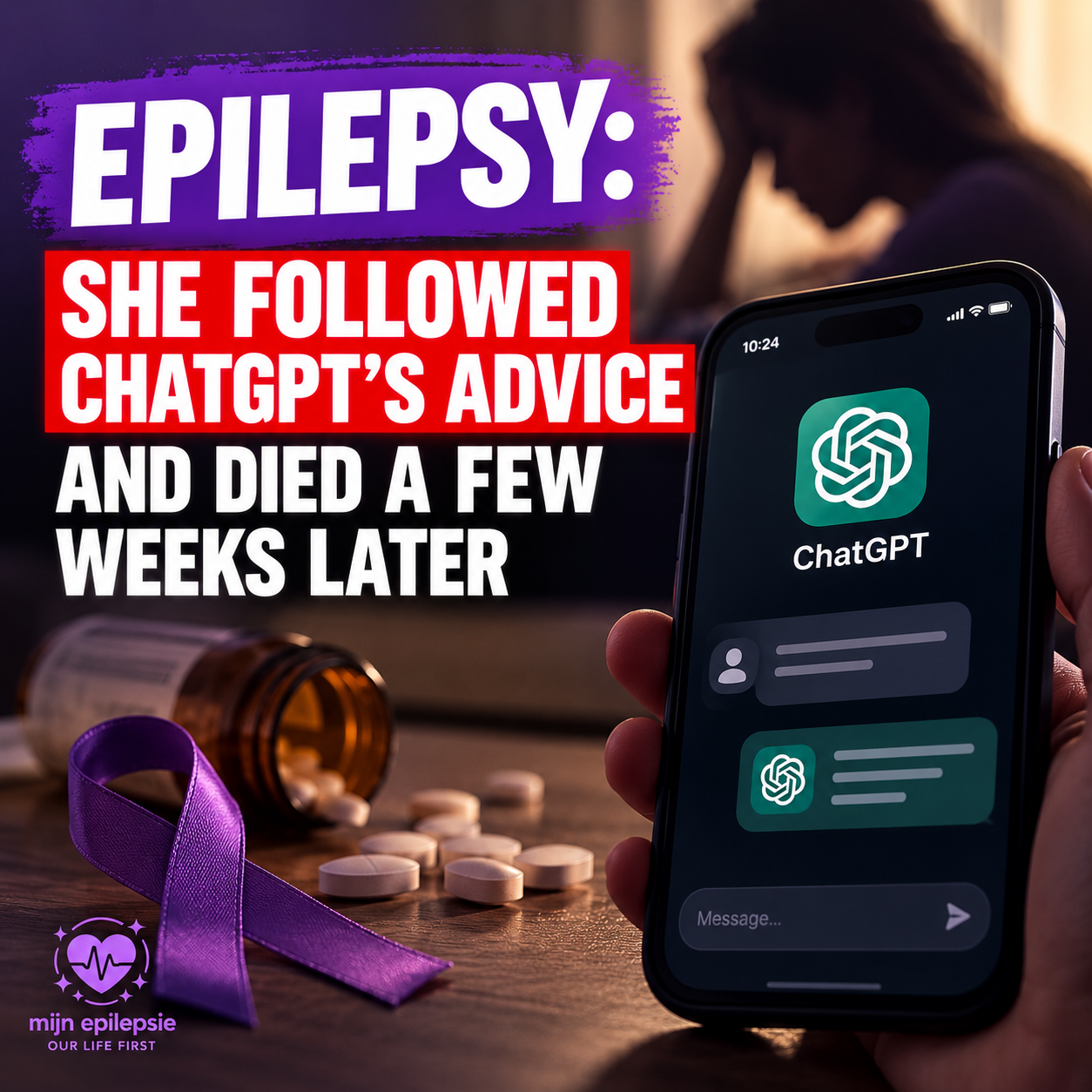
The death of Bowen Wan, a young woman living with epilepsy, raises a major question: how far can we trust artificial intelligence when it comes to our health?
A young woman trying to improve her daily life
Bowen Wan, a 31-year-old engineer living in Seattle, United States, had epilepsy and was being treated with lamotrigine.
Facing difficulties she associated with the side effects of her medication, particularly on her ability to express herself, she wanted to regain a better quality of life and prepare for her professional future.
She turned to ChatGPT for advice.
According to the complaint filed by her parents on 27 October 2026, the artificial intelligence allegedly suggested a gradual reduction programme for her treatment, going from 400 mg per day to a complete stop in about 25 days.
The family also claims that ChatGPT encouraged her not to inform her doctors about this reduction.
In February 2026, Bowen Wan passed away. The cause of death was identified as sudden unexpected death in epilepsy, known as SUDEP.
Her parents have taken legal action against OpenAI and its chief executive, Sam Altman, arguing that the advice provided contributed to their daughter's death.
To date, OpenAI's legal responsibility and the precise causal link between ChatGPT's responses and the death have not been established by a court decision.
SUDEP: a risk that is still too little known
SUDEP, or sudden unexpected death in epilepsy, refers to the sudden and unexplained death of a person with epilepsy, with no other cause found after investigation.
This phenomenon remains rare, but the risk varies from person to person. Generalised tonic-clonic seizures, particularly when they are frequent or insufficiently controlled, are an important risk factor.
That is why neurological follow-up, taking the prescribed treatment regularly and good patient information play an essential role in prevention.
Can artificial intelligence replace a doctor?
Artificial intelligence is now part of our daily lives.
It can help you understand a medical term, prepare for an appointment or find general information about a condition.
But it can also produce answers that are incorrect, unsuitable or phrased with misleading confidence.
An AI can explain a treatment. It must not decide on its own to change or stop it.
At Mijn Epilepsie VZW, we advocate responsible use of new technologies, at the service of patients and families.
We believe that people living with epilepsy must be able to access clear, understandable and reliable information, without being exposed to dangerous medical advice.
Informing without frightening, preventing without blaming
This case should not lead us to reject all artificial intelligence.
It should rather remind us of the importance of knowing its limits, particularly when it comes to a chronic neurological condition.
A person living with epilepsy may legitimately look for answers about their worries, side effects or daily difficulties.
But these questions deserve a dialogue with healthcare professionals who are able to assess their personal situation.
Our message is simple: never change your anti-epileptic treatment without the advice and support of your neurologist.
Our thoughts are with the family of Bowen Wan and all families affected by SUDEP.
What do you think?
Have you ever used ChatGPT or another artificial intelligence to ask questions about your epilepsy, your medication or your health?
Do you think AI platforms should apply stricter safeguards when someone asks how to change a medical treatment?
Your experiences and reflections can contribute to better awareness.
Mijn Epilepsie VZW — Our life first.
Medical disclaimer
This article is published for information and awareness purposes. It does not constitute medical advice.
Any change, reduction or interruption of an anti-epileptic treatment must be discussed with the prescribing doctor or neurologist. An unsupervised stop can lead to worsening seizures and serious complications.
Sources
- The Schenk Law Firm — Complaint by Bowen Wan's family against OpenAI, filed on 27 October 2026: https://schenklawfirm.com/press/wan/
- TechCrunch — Parents sue OpenAI, alleging GPT-4o coached their daughter off seizure medication, 27 October 2026: https://techcrunch.com/2026/10/27/parents-sue-openai-alleging-gpt-4o-coached-their-daughter-off-seizure-medication/
- Ouest-France — Article of 29 October 2026: Elle réduit son traitement contre l'épilepsie sur les conseils de ChatGPT et meurt quelques semaines plus tard.
Editorial note: this article presents the public information available as of 30 October 2026. The allegations reported are those of the family and do not constitute final judicial conclusions.